
Exchanges like Hodl Hodl — TradeOgre, and Bisq are notable for their absence of KYC requirements. This platform enables users to engage in cryptocurrency trading (such as ETH and DAI), without the need for ID verification. It serves as a user-friendly platform for individuals seeking to purchase cryptocurrencies without identity verification. Although it is generally accessible across the globe, certain states in the US impose restrictions. This no KYC crypto exchange permits you to acquire digital currencies by merely supplying your name and country, with only minimal verification needed. While trading derivatives and spot markets without KYC submission is allowed, non-KYC users face limitations on withdrawals.
This list features all cryptocurrency exchanges in our database that do not require KYC (Know Your Customer) verification to start trading. The IRS can employ blockchain forensics tools to track transactions conducted on non-KYC exchanges if they are unable to enforce legal actions on exchanges to share customer info. Binance requires customers to go through identity verification — in several levels depending on your trading volume and other factors (e.g., withdrawals).
Yes, you can trade crypto without KYC in the US but it’s complicated because many platforms block American IP addresses to avoid legal disputes. Best Wallet’s interface is simple and clean, making it easy for users to perform swaps, manage tokens, and interact with Web3 applications across multiple chains. The CoinEx withdrawal guide fits naturally here because withdrawal rules matter more when using an account without verification. That puts it among the lowest-cost options on this list for users who want a no verification crypto exchange for spot and futures trading.
BloFin: Best for Anonymous Futures Trading
If you have used Uniswap previously (the experience will seem familiar), although it is significantly more affordable.

Best No KYC Crypto Exchanges in 2026 Are
This verifies that withdrawals work smoothly. Use 2FA , authenticator app, not SMS,, set withdrawal address whitelists, and use a unique strong password for each exchange. In most jurisdictions, using a no-KYC exchange is not itself illegal. Swap thousands of tokens directly from your wallet. XT.com offers the highest no-KYC withdrawal limit on this list at 200,000 USDT per day. Questions about listing quality with such a large token selection.
ybit: Best no KYC crypto exchange overall
Those rules can vary by location and are often enforced by financial regulatory agencies. When finalizing the withdrawal — it’s common to need a confirmation code via email or 2FA. Spot trading is the simplest method for those new to digital assets.
As the rules tighten, the existence and use of non KYC crypto exchanges becomes not only a practical option — but also a philosophical choice for many in the crypto community. This guide is here to help you understand, and safely navigate — the latter. In a time of growing regulatory complexity, this guide serves as a https://godex.io/ comprehensive roadmap for privacy-conscious crypto users. The concept of KYC was introduced into the cryptocurrency space around 2013–2014, as regulators worldwide began tightening rules on digital asset platforms. This guide explores the world of non KYC crypto exchanges — what they are (why they matter), and how you can use them safely in 2025.
Therefore, make sure to review their policies thoroughly prior to investing your entire life savings. What if you simply wish to exchange some tokens but are reluctant to disclose your identity to an untrusted server? This is your essential resource for trusted cryptocurrency exchanges in 2025 that do not mandate KYC. Many users are seeking new trading options as popular exchanges like ByBit and KuCoin have stopped allowing anonymous trading.
Hyperliquid: Top DEX for Perpetual Contracts
This guide explains why KYC exists, when no-KYC options make sense, and how to evaluate platforms responsibly. Yes — reputable non-KYC exchanges can be safe, but anonymity doesn’t eliminate risk. Some centralized exchanges also permit crypto withdrawals without KYC up to certain limits. Decentralized exchanges don’t hold your funds, so withdrawals aren’t tied to identity verification. Centralized exchanges like MEXC and BingX also allow limited crypto-to-crypto trading without verification, though policies can change.
These platforms (often referred to as decentralized exchanges), allow users to trade cryptocurrencies without identity verification, preserving anonymity and offering more freedom. Each platform sets its own rules, so you should always confirm withdrawal limits before depositing your funds to avoid delays later. As rules expand (some no-KYC options may tighten their policies or introduce new limits), especially in stricter markets. These platforms also help users trade when local rules limit access to certain exchanges. If you want an easier way to keep track of your trades across no-KYC and regular exchanges, KoinX gives you a simple solution.
Nonetheless, verify the legality of these exchanges in your jurisdiction before registering. A decentralized exchange is also available, featuring well-known Web3 on-chain tokens. If you’re weary of showing your passport just to purchase a few satoshis — this compilation is for you. While DEXes are excellent for those with funded wallets — beginners should opt for a platform offering a reliable fiat on-ramp when buying crypto. If decentralized exchanges interest you, you should certainly consider the platform dydx.
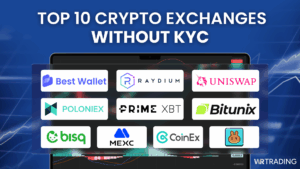
To access the site — confirming that your country is not on the restricted list is necessary. For many years, MexC was regarded as one of the most favored no KYC exchanges within the United States. This guide will provide all the essential information regarding KYC regulations and detail 18 exchanges allowing crypto trading without KYC. BitShills equips you with knowledge about the crypto landscape, offering exchange reviews, security best practices, and practical advice on trading, wallets, and market trends. Even when utilizing a non-KYC platform, it remains your responsibility to report income and capital gains in the majority of countries. However — decentralized exchanges (DEXs) introduce their own risks, including smart contract vulnerabilities, counterfeit tokens, and front-running attacks that are genuine concerns for users.
Nonetheless (no platform is assured to remain the same), so it’s prudent to verify the latest verification policies before depositing your cryptocurrencies. Platforms that previously made “no-KYC exchange” lists may no longer meet the criteria. As governments continue to tighten AML regulations, exchanges are adapting by increasing identity verification protocols. The landscape of privacy-oriented crypto trading has transformed significantly compared to just a few years ago.